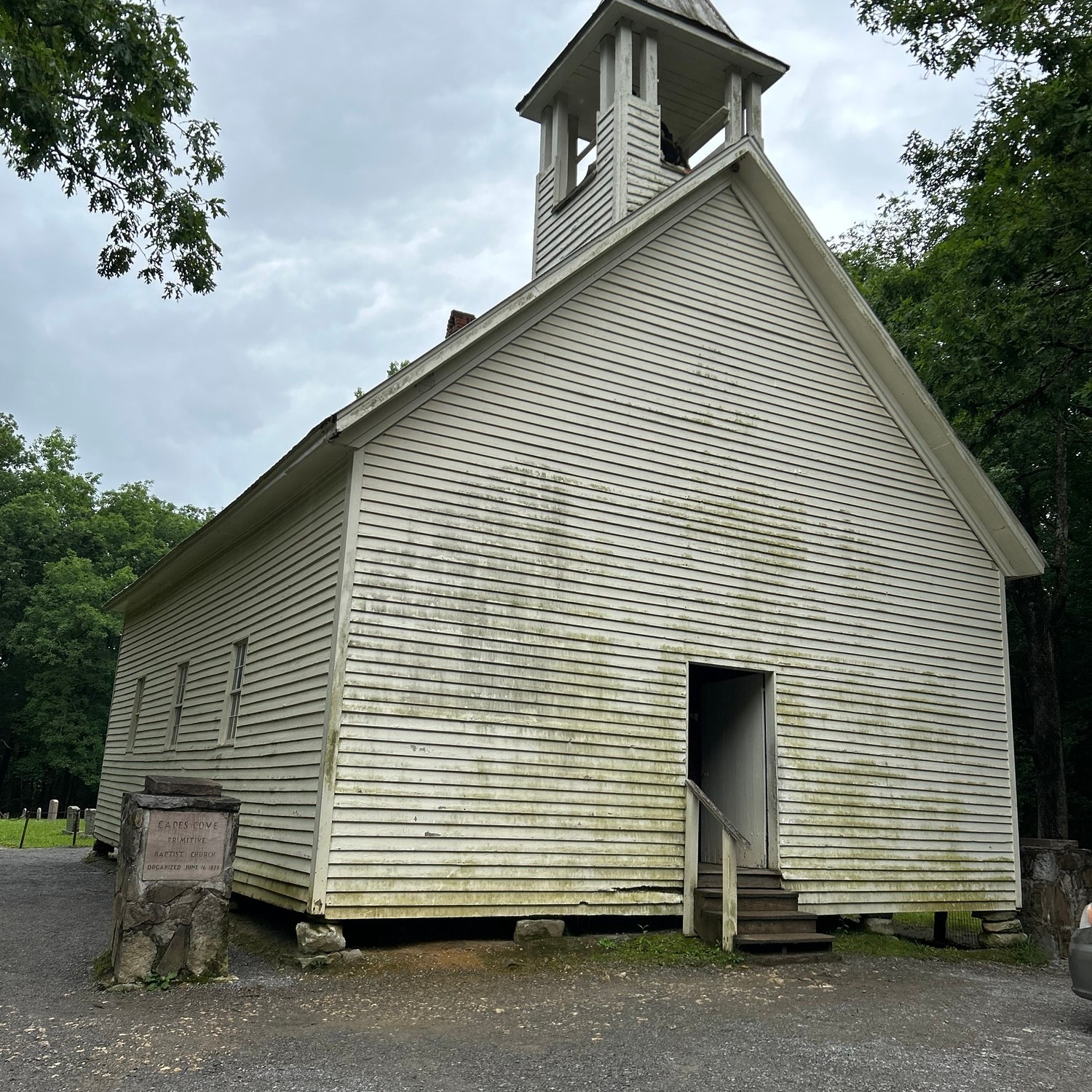
For a while now, I’ve been quietly stepping away from church.
Not from God.
But from church as I’ve experienced it.
This isn’t something I decided overnight. It’s been a long road—one that actually started years ago.
I grew up in church. I’m a preacher’s daughter.
And like a lot of stories that start that way, mine got complicated.
When I was 17, my family fell apart in ways that changed how I saw everything—God, church, people. What I thought was solid suddenly wasn’t. And for a long time, I didn’t want anything to do with any of it.
I came back here and there in my 20s and 30s. I even served for a while. But at some point, I stepped away again completely.
It wasn’t until I got sober that something shifted.
I decided—intentionally—to give God another chance.
Not casually. Not halfway.
I spent hours in the mornings reading, journaling, praying.
I showed up consistently.
I wanted to build something real this time—not based on what I’d been told, but on what I could actually experience and understand for myself.
And when I came back to church, I came in open.
I wanted to connect.
To serve.
To give what I had—my time, my energy, my heart.
I reached out. I showed up. I shared parts of my story that weren’t easy to share.
And somewhere along the way, I realized I didn’t feel seen.
I didn’t feel safe.
When I finally found the courage to say, “Hey, I’m hurting,”
it felt like my words were either gently redirected…
or met with responses that sounded spiritual, but didn’t actually meet me where I was.
And that’s a lonely place to be.
Around the same time, I found myself in a situation where I felt a responsibility to speak up—about something that touched on honesty, leadership, and the safety of vulnerable people.
I didn’t speak up lightly.
But when I did, what I experienced wasn’t conversation.
It wasn’t curiosity.
It wasn’t even respectful disagreement.
It felt like dismissal.
On one hand, it was met with responses that sounded kind and spiritual, but didn’t actually meet me where I was.
On the other, it was met with language and scripture that felt dismissive, defensive, and shut the door rather than opened it.
And I walked away feeling like… I didn’t really matter.
That my voice didn’t carry weight.
That being “in community” had limits.
Here’s what I’ve been sitting with:
I don’t believe church is supposed to feel like that.
I think it’s supposed to be a place where people can show up as they are—
in process, hurting, healing, hopeful, uncertain—
and still be met with presence.
Not perfection. Not polish. Not positioning.
Presence.
And I don’t believe Jesus operated the way I experienced church.
Not the Jesus I went looking for with fresh eyes.
Not the Jesus I spent early mornings learning about after I got sober.
Not the Jesus who moved toward people who were hurting, questioning, or on the outside.
Somewhere along the way, I think we’ve made church more about managing people than knowing them.
More about protecting systems than protecting people.
More about having the right answers than being willing to sit with hard questions.
I’m not writing this out of anger.
If anything, it’s coming from a place of clarity… and yes, some lingering disappointment.
Because I came back sincerely.
And I gave freely of myself.
And it wasn’t met in the same way.
Right now, my faith looks quieter.
I still see God—just not confined to a building or a system.
I see Him in nature.
In unexpected kindness.
In moments that feel real and unforced.
But I’d be lying if I said something hasn’t been fractured.
And maybe this is part of the rebuilding.
If you’ve ever felt like you were on the outside looking in…
or like your voice didn’t quite fit…
or like your honesty created distance instead of connection…
you’re not alone.
And if you’ve always felt comfortably on the inside,
I hope this gently invites you to look around and notice who might be quietly slipping through the cracks.
Because people don’t usually leave loudly.
Sometimes they leave after trying—again and again—to stay.
And not feeling like they can.
 Leah McCracken